Fertilizer Prices Are Spiking Again — Here Is How That Hits Your Grocery Bill Within 90 Days
I was standing in the produce aisle last Saturday, staring at a bag of apples that cost $6.49, when my phone buzzed with a market alert: urea futures had just hit their highest level in fourteen months.
My wife, who was loading broccoli into the cart, gave me the look she gives when I start connecting commodity prices to dinner. "Please don't," she said.
But here's the thing: that urea price spike and those $6.49 apples? They're connected. And if you're not paying attention to fertilizer markets right now, your grocery budget is about to get a surprise it doesn't deserve.

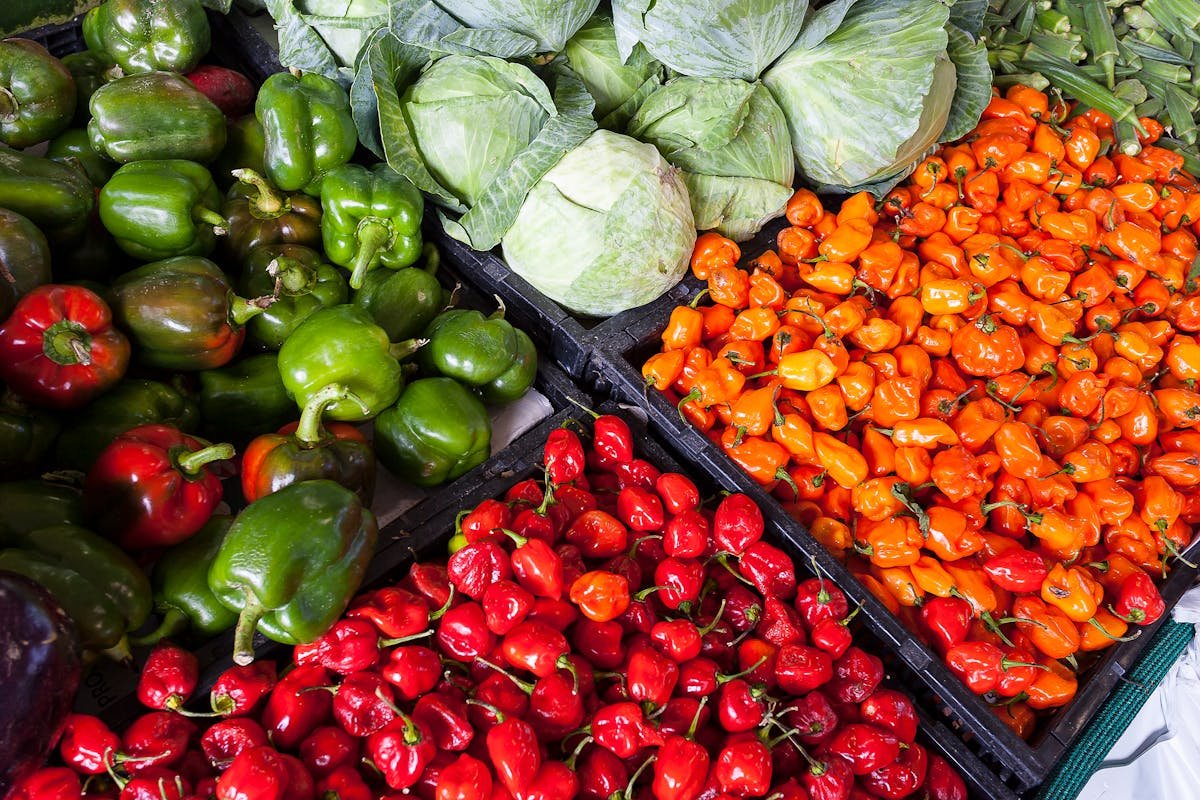
Photo by Ondosan Sinaga via Pexels
Why Fertilizer Prices Matter to Your Wallet
Urea is the world's most widely used nitrogen fertilizer. It accounts for roughly 60% of global nitrogen fertilizer consumption, according to the International Fertilizer Association (IFA). Without it, crop yields drop dramatically — by some estimates, 40-60% for major grain crops.
When urea prices spike, the cost increase flows through the food supply chain in a predictable pattern:
Month 1-2: Farmers pay more for fertilizer. This doesn't immediately affect food prices because they're using stored inventory or pre-contracted supplies.
Month 2-4: Higher input costs get factored into the next planting season. Farmers who can't absorb the cost either plant less or switch to lower-cost crops. Both outcomes reduce supply of certain foods.
Month 3-6: Wholesale food prices adjust. Processors and distributors pass costs forward.
Month 4-8: Retail prices at the grocery store catch up. By this point, the fertilizer spike that happened months ago has become the $6.49 bag of apples you're holding.
This isn't speculation — it's a pattern documented by the USDA's Economic Research Service, which tracks the relationship between agricultural input costs and consumer food prices. According to their data, a 10% increase in fertilizer costs typically translates to a 2-4% increase in retail food prices within two to three quarters.
What's Driving the Current Spike
Urea prices have been trending upward since late 2025, and the current spike — which caught enough attention to trend on Hacker News with the tech community debating its implications — is being driven by several converging factors:
Export restrictions from major producers. China, which produces about 25% of global urea, has periodically restricted exports to ensure domestic supply for its own agricultural sector. Russia, another major producer, faces ongoing sanctions-related complications. India, the world's largest importer, has been buying aggressively, tightening global supply.
Natural gas prices. Urea is manufactured from natural gas. When gas prices rise, urea production costs rise proportionally. European natural gas prices have been volatile throughout 2025-2026, and that volatility directly impacts fertilizer costs.
Seasonal demand. The Northern Hemisphere spring planting season (March through May) creates predictable demand spikes. When prices are already elevated, seasonal demand amplifies the increase.
My friend Tom, who manages a family farm in Iowa, summed it up during a call last week: "We budgeted $560 per ton for urea this season. We're looking at $420 spot now, but availability is tight. If it goes above $500, some of our corn acreage doesn't pencil out anymore."
When farmers say "doesn't pencil out," that means less food gets planted. And less food planted means higher prices for everyone downstream.
How This Hits Your Household Budget
The Bureau of Labor Statistics (BLS) reports that the average American household spent $6,129 on food at home in 2024. If fertilizer-driven inflation pushes grocery prices up by even 3%, that's an additional $184 per year — or about $15 per month.
That might not sound catastrophic. But it compounds with everything else: housing costs (up 4.1% year-over-year per the BLS CPI data), insurance premiums (up 8-12% in many states), and energy costs. For households already stretched thin, another $15/month on groceries is the straw that breaks the camel's budget.
The foods most affected by fertilizer price increases, according to USDA data:
Grains and cereals: Wheat, corn, and rice are heavily fertilizer-dependent. Expect bread, pasta, cereal, and anything containing flour to see price increases within 3-4 months.
Meat and dairy: This is the double hit. Animals eat grain. When grain costs more, feeding livestock costs more, and meat and dairy prices follow — usually with a 4-6 month lag.
Produce: Fruits and vegetables are less fertilizer-intensive than grains but still affected. Leafy greens, potatoes, and onions are particularly sensitive to nitrogen fertilizer costs.
Processed foods: Anything with corn syrup, soy, wheat, or dairy ingredients (which is most packaged food) will eventually reflect higher input costs.
What You Can Actually Do About It
You can't control urea futures. But you can adapt your household spending before the price increases hit retail shelves. Here's what I'd recommend based on historical patterns:
Stock up on shelf-stable grains now. Rice, pasta, oats, flour, and dried beans have long shelf lives. If prices are going to rise in 3-4 months, buying a few extra bags now at current prices is a simple hedge. Don't go overboard — this isn't doomsday prepping. Just buy an extra month's supply while current prices hold.
Consider frozen produce over fresh. Frozen fruits and vegetables are typically locked in at the price from the harvest season when they were processed. They're nutritionally equivalent (and sometimes superior) to fresh produce that's been sitting in a supply chain for weeks. During price spikes, frozen can be significantly cheaper.
Plan meals around what's on sale. This sounds obvious, but few people actually do it systematically. Apps like Flipp, Instacart, and even store-specific apps let you compare prices across retailers. A 20-minute meal planning session on Sunday can save $30-50/week during price spikes.
Explore farmers' markets. Local farmers have shorter supply chains and may not pass on fertilizer cost increases as quickly as large-scale operations. Plus, buying directly often means lower prices for both parties. The USDA's Local Food Directories (localfood.usda.gov) can help you find markets near you.
Don't panic-buy. Every food price spike in modern history has been temporary. The 2022 fertilizer crisis (triggered by the Russia-Ukraine conflict) saw prices spike 80%, and within 18 months, they'd corrected significantly. These cycles are real, but they resolve.
The Bigger Picture
Food inflation is insidious because it's non-negotiable. You can skip a vacation, postpone a car purchase, or downgrade your phone plan. You can't skip eating.
The urea price spike happening right now may or may not become a full-blown food inflation event. It depends on how long prices stay elevated, how aggressively major producers respond, and what happens with the spring planting season. But the relationship between fertilizer costs and grocery prices is as predictable as gravity — it just operates on a delay.
My wife, who is significantly more practical than I am, finished loading the cart and said: "So should I buy extra rice?" Yes. Probably yes.
Disclaimer: This article is for informational purposes only and does not constitute financial or investment advice. The author is not a licensed financial advisor. Food prices are influenced by numerous factors beyond fertilizer costs. Consult a qualified financial professional for advice specific to your situation.
Found this helpful?
Subscribe to our newsletter for more in-depth reviews and comparisons delivered to your inbox.